

Overview
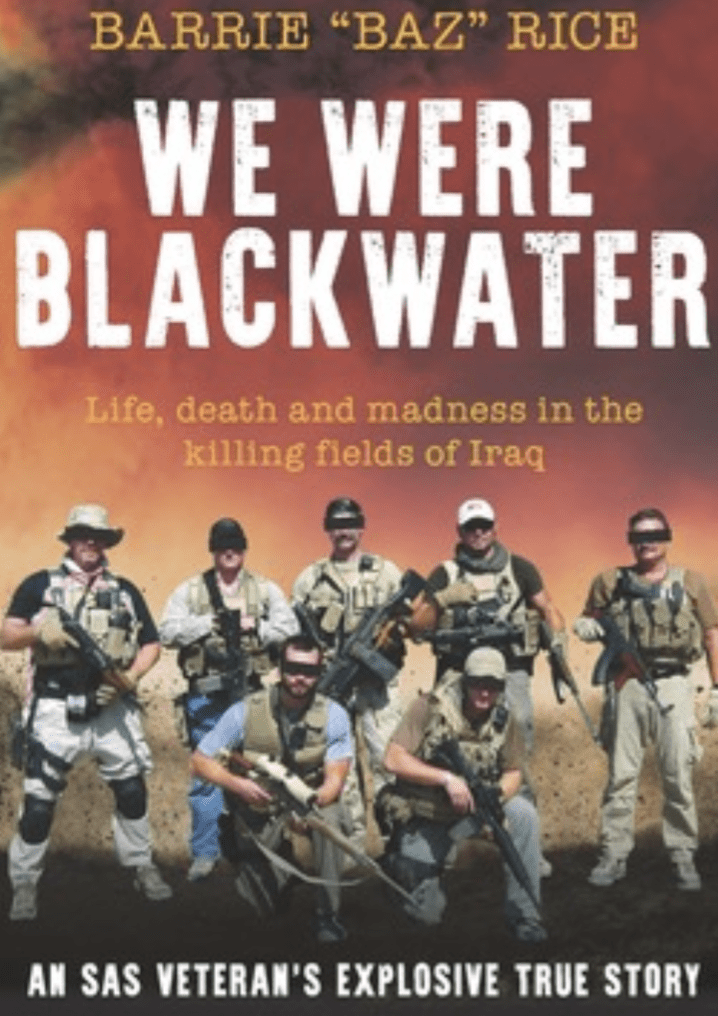
Our guest on this pod, out 29 August 2023, is Barrie Rice a former Special Forces soldier, security contractor and author. Barrie joined the New Zealand (NZ) infantry in 1985 aged 22 where he spent 3 years before passing selection for the NZ SAS.

He went on to serve 7 years specialising in one of the squadron’s boat troops. On this episode we discuss his military career, life as a security contractor in Iraq with Blackwater Commercial, a subsidiary of the US Private Military Company (PMC), he helped set up and his book “We were Blackwater”.
Podcast Overview
During the pod we discuss the 2004 killing of four Blackwater contractors by insurgents at Fallujah, the rapid rise of PMCs in country, the prioritisation of profit over equipment and quality of people, accountability and the Nisour Square incident where Blackwater employees killed 17 civilians and the effect of deploying on operations as a PMC. Blackwater was a notorious company who developed a poor reputation in Iraq. It will be up to the listener to draw their own opinion about one man’s deployment into a violent and deadly insurgency.
PMC Or Mercenary?
“It is probably the second oldest profession in the world…”
Formerly known as mercenaries, later rebranded for the corporate world as PMCs, these business ventures have always been the subject of intrigue and mythology. It is probably the second oldest profession in the world, used throughout history, and deployed to the killing fields of Iraq and Afghanistan in large numbers. In the ongoing war in Ukraine the Russian PMC Wagner Group has enhanced its reputation for ruthlessness whilst further damaging the already tarnished view of PMCs.
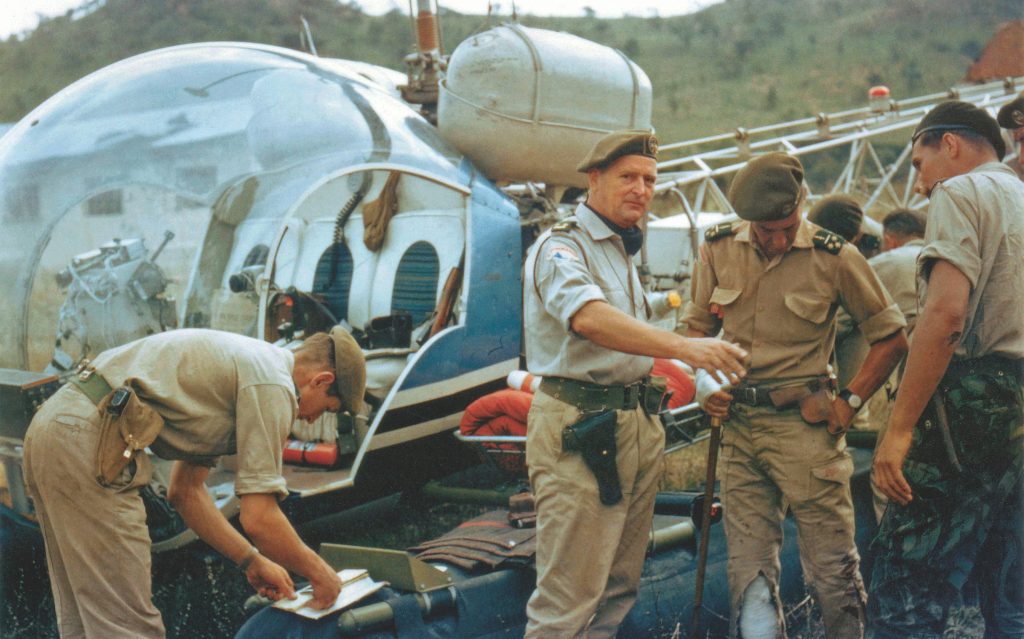
Modern PMCs trace their origins back to a group of former SAS veterans in 1965 who, under the leadership of David Stirling (founder of the SAS), established WatchGuard International as a private company that could be contracted out for security and military purposes. The initial market was very much focused on Africa and the likes of Yemen, Libya, Zambia, and Sierra Leone. Other groups formed by ex-SAS servicemen were established in the 1970s and 80s, including Control Risks Group and Defence Systems Ltd, providing military consultation and training.
Dramatic growth in the number and size of PMCs occurred at the end of the Cold War as Western governments increasingly began to rely on their services to bolster falling conventional military budgets. Companies such as MPRI, KMS, G4S, and EO to name but a few came into being along with Blackwater which really came to prominence during the Global War On Terror.
The Rise of Blackwater
“Blackwater, later known as Xe Services and Academi, initially positioned itself as a provider of training services for law enforcement and military personnel.”
This company became one of the most notorious names in the PMC world at the start of the century. Founded in 1997 by Erik Prince, a former U.S. Navy SEAL, it gained notoriety for its involvement in various conflict zones and its controversial actions, sparking discussions about the ethics and implications of privatizing military operations.
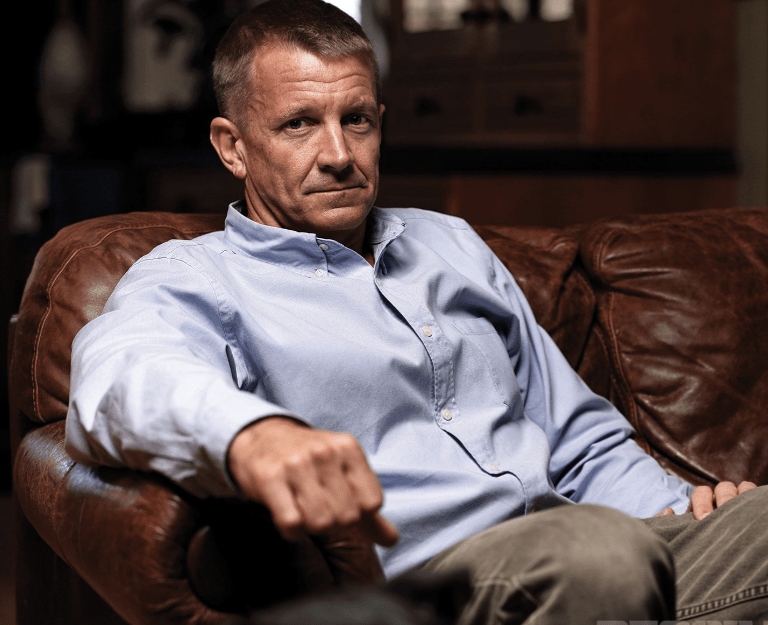
Blackwater, later known as Xe Services and Academi, initially positioned itself as a provider of training services for law enforcement and military personnel. However, its rapid growth and expansion into active combat roles attracted significant attention. The company gained prominence during the Iraq insurgency, where it played a substantial role in guarding high-profile personnel and securing supply convoys.
Accountability
“This incident raised questions about the oversight and regulation of PMCs operating in conflict zones.“
While supporters argued that PMCs like Blackwater filled gaps left by conventional military forces, critics raised concerns about accountability, transparency, and the potential for unregulated use of force.
One of the darkest chapters in Blackwater’s history was the 2007 Nisour Square massacre in Baghdad, where its employees opened fire on civilians, resulting in the deaths of 17 people. Four Blackwater contractors were found guilty and sentenced to long prison terms for their part in the he incident. All were later pardoned by President Trump.
This incident raised questions about the oversight and regulation of PMCs operating in conflict zones. It also highlighted the blurred lines between security and military functions when private contractors are involved. You can read more about this incident following the link below.
Regulating PMCs
“From 2015 onwards, International Standards were becoming a necessity in the industry…”
The controversies surrounding Blackwater prompted a wider examination of the role of PMCs in modern warfare and diplomacy. Governments and international bodies grappled with establishing legal frameworks to hold companies accountable for their actions. The Nisour Square incident led to increased scrutiny of PMCs, which eventually resulted in changes to regulations and oversight mechanisms.
From 2015 onwards, International Standards were becoming a necessity in the industry with regulations such as PSC 1 (laterally ISO 18788) and ISO 9001 becoming a selling point, and necessity, for companies. Alongside this was membership of the International Code of Conduct Association, or ICoCA, an effort to ensure that PSCs abided by the ICoCA mission:
“Our mission is to raise private security industry standards and practices that respect human rights and international humanitarian law and to engage with key stakeholders to achieve widespread adherence to the International Code of Conduct globally.”
Blackwater Rebranding

As the years went by, Blackwater underwent rebranding and changes in ownership, attempting to shed its tarnished reputation. However, its legacy remained, serving as a cautionary tale about the potential dangers of outsourcing military functions to profit-driven entities.
Conclusion
The rise and fall of Blackwater illustrates the complex and often problematic nature of privatising military tasks. While PMCs may offer certain advantages, such as flexibility and specialized skills, the potential for abuse and lack of accountability cannot be ignored.
The controversies surrounding Blackwater have spurred ongoing discussions about the appropriate role of PMCs in international affairs and the need for robust regulatory frameworks to prevent abuses and protect the lives of innocent civilians caught in conflict zones.
Further Reading
“Goliath” by Sean McFate is a thought-provoking book offering a different perspective on the changing nature of modern warfare. McFate’s blend of personal experiences and historical analysis sheds light on the rise of PMCs and their influence on global conflicts. The book challenges traditional notions of warfare and raises important ethical and strategic questions. Some may find his ideas debatable but it undeniably adds to the conversation about the evolving nature of warfare in the 21st century. However the recent poor performance of Wagner Group in Ukraine probably undermines some of his main points.

Finding Our Podcast
You can find our podcast series here or anywhere you get your podcasts from:
Join In With Comments
You can join in with the conversation in the comments section below.
Copyright © 2023. All rights reserved by the Unconventional Soldier blog. No part of this work may be reproduced in any form or by any means without prior permission in writing of the author.
 Unconventional Soldier Blog