
“Much as war attracts me and fascinates my mind with its tremendous situations, I feel more deeply every year and can measure the feeling here in the midst of arms what vile and wicked folly and barbarism it all is.”
Winston Churchill
I recently released a podcast episode with former UKSF soldier Andy McNab. When the opportunity arose to interview him I initially felt like turning it down. After all what more could I add or discuss with him that hasn’t been covered before in hundreds of interviews, podcasts, written books or articles? Curiosity eventually got the better of me however. After all this is a man who first came to prominince in the early 90s and has never been far from the public eye since.
McNab kicked off the genre of the high profile former SF “operator” but has never seen the need to court publicity like others who followed in his footsteps. His fame, reputation and some might say notoreity means he doesn’t have to. A gracious and entertaining guest I enjoyed my discussion with him. That said I recieved criticism for not pressing him on the B20 patrol, it’s failures and accuracy but felt I didn’t need to as I don’t think he would have strayed too far from his original account. Why would he? You can listen to the podcast here.
The Bravo 20 Patrol
Not every soldier is Andy McNab and not every war can be like B20. Which is probably fortunate considering what a disaster the mission was. McNab’s book about the ill fated patrol propelled the author into the best seller list and added another chapter to the mythology of the SAS. Along with the autobiography by General Sir Peter De La Billiere “Looking for Trouble: SAS to Gulf Command” it opened the flood gates for the SAS memoir industry.
Public appetite remains insatiable for tales of derring-do about elite soldiers whose actions, in their minds, allow people to “…sleep peaceably in their beds at night only because rough men stand ready to do violence on their behalf”. A favourite trope and well worn cliche. The success of the recent BBC series “SAS Rogue Heroes” being the latest example.
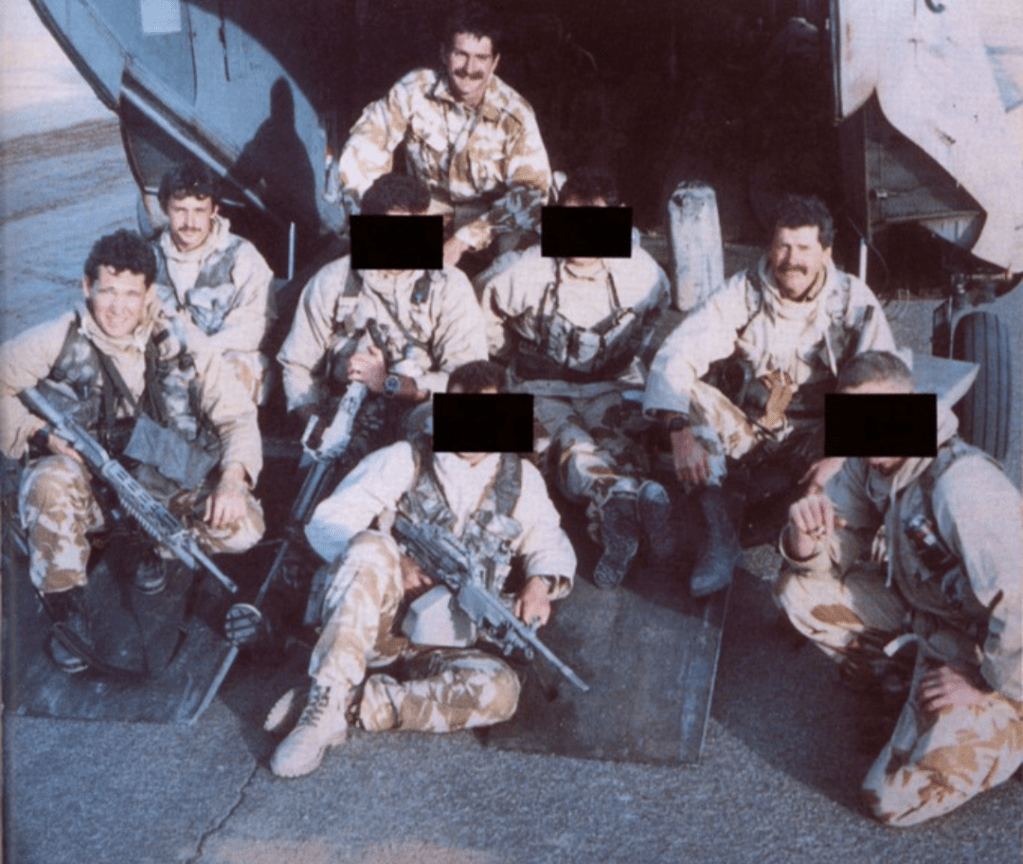
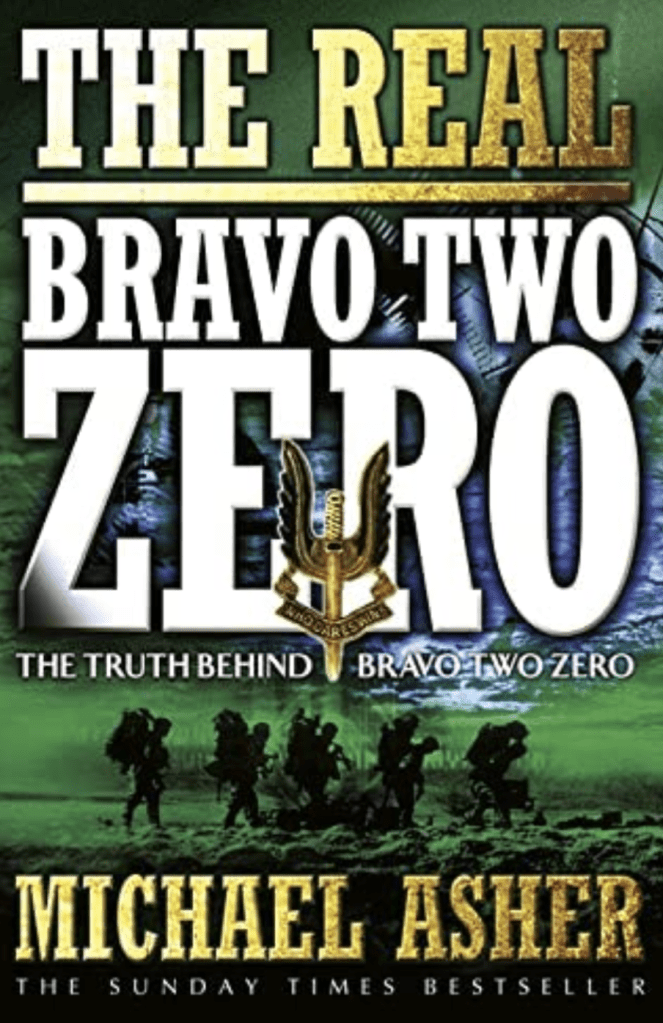
Over time McNab’s alleged exploits have been challenged by several other accounts though he continues to maintain their veracity. Michael Asher, a former member of the Regiment, dismantled the mission in his book “The Real B20” where he writes about poor mission planning, underestimating the enemy, not being prepared for the weather conditions and blaming members of the patrol who were KIA for mistakes. Asher also points out that much of what appeared in the book wasn’t detailed in post mission debrief reports.
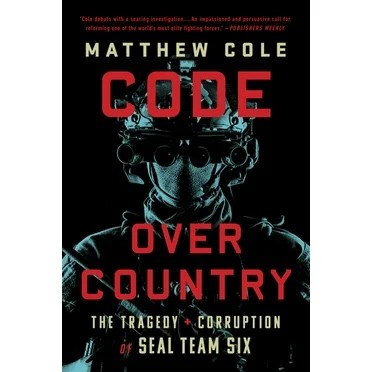
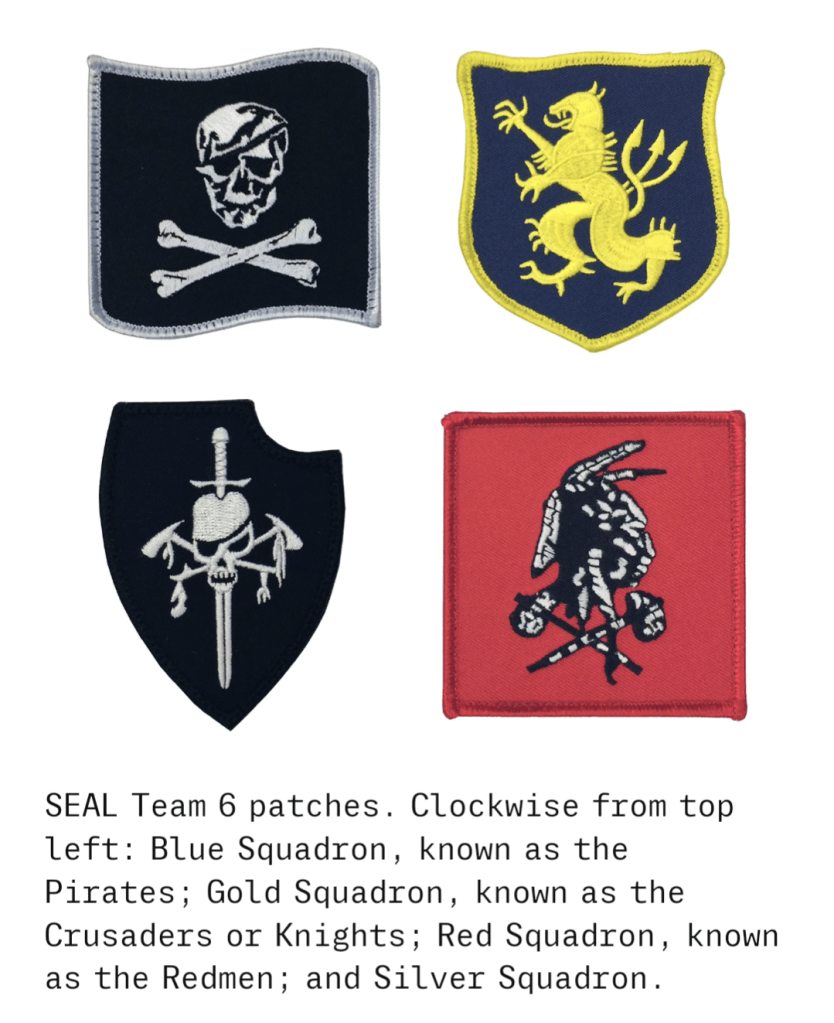
Over in the US the exploits of former US Navy DEVGRU operators, better known as Seal Team 6, also enjoy huge books sales following high profile missions like Operation NEPTUNE SPEAR the killing of Osama Bin Laden. The accuracy of these accounts has also been called into question most recently in Matthew Cole’s book “Code Over Country: The Tragedy and Corruption of SEAL Team Six”.
Only the operators who took part in these missions know what really happened. Many accounts verge on hagiography and the soldiers concerned deemed above criticism by their fan base. Which is a shame because they should be seen for what they are. Ordinary men, in extraordinary circumstances carrying out tasks we can barely fathom to the best of their ability.
So, not all wars are B20. Not even, it would appear, B20. An often used quote about combat describes it as “90% boredom and 10% excitement”. That more or less sums up my involvement in Operation GRANBY (for the British Army) or Operation DESERT STORM (for the American Army) in 1991.
Operation GRANBY – Gulf War 1991
“War is delightful to those who have had no experience of it.”
Desiderius Erasmus.
“Who wants to go to the Gulf?” This was the question shouted out in the corridor of our accommodation in Germany on a cold weekend evening just before Christmas leave in 1990. The Berlin Wall had fallen the year before and, for a unit whose “stay behind” mission had been to fight the Soviet hordes, we had been in limbo ever since. No soldier wants to sit on the subs bench so the answer from me was very much “Yes”.
A few months before our Battery Commander (BC) Major Chris Lincoln Jones had managed to get us on the order of battle for 1 Armoured Division deployment part of the 53462 members of the Armed Forces that deployed to the desert. In a podcast Chris told us:
“It became known that we were going to be attached to the 16th Lancers (16th/5th The Queen’s Royal Lancers) to become part of the 16th Lancers Group, which were going to be the Divisional Recce Regiment. And they were going to take the Queen’s Dragoon Guards squadron which was already out there under their wing and we were going to push out in front of the division to do surveillance and target acquisition and reconnaissance.”
Following this decision we re-roled to armoured vehicles and given the venerable AFV 432. A tracked vehicle, in service since the 60s (and still in service today), and no doubt the last toy on the shelf as Germany had been stripped bare to get the Division up and running. Our cavalry colleagues were equipped with the much faster, lighter and more ally Scimitar but we didn’t care because we were off to war.
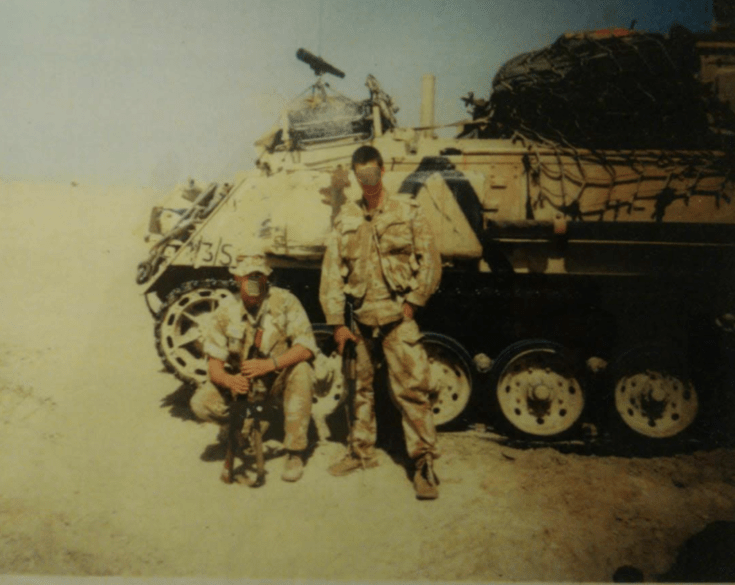
I wasn’t totally naive to the realities of soldiering. The previous year the unit had deployed to Northern Ireland where two members of our troop, LBdr Steve Cummins and Gnr Miles Amos, had been killed in a PIRA IED attack on the Letterkenny road outside Londonderry. However the advantage of youth is that death or injury always happens to other people. Never you. You can listen to our podcast about this Northern Ireland tour here.
Finally you can listen to our podcast episode on Op GRANBY with the then Battery Commander Chris Lincoln Jones below.
Copyright © 2024. All rights reserved by the Unconventional Soldier blog. No part of this work may be reproduced in any form or by any means without prior permission in writing of the author.
 Unconventional Soldier Blog