

Introduction
My guest on the next podcast is Lilian van Mourik. I talk with her about the recovery of Stirling bomber BK716 and its seven crew members as part of the remarkable Dutch national programme for WW2 aircraft recoveries which was set up in 2019 and aims to recover 30 aircraft over the next decade. We also discussed Dutch wartime remembrance culture, the morality of area bombing, the deprivations of the hunger winter and how the sacrifices made in WW2 are relevant today.
WW2 left an indelible mark on history, not just in the memories of those who lived through it but also in the physical remnants scattered across the globe. Among these artifacts, aircraft wrecks hold a special place, symbolizing both the technological advancements of the era and the sacrifices of those who fought for our freedom. As technology continues to advance, the ability to locate and recover these wrecks improves. In addition sonar imaging, underwater robotics, and DNA analysis have become invaluable tools in these efforts. Yet, the success of such operations also depends on the dedication and persistence of researchers, volunteers, and governments committed to preserving history.
The recovery of BK716 is part of a larger effort to locate and recover other wartime aircraft and their crews and the Dutch government has identified several sites where Allied aircraft are believed to have crashed. Each discovery not only adds to our understanding of history but also provides an opportunity to honor those who made the ultimate sacrifice. BK716 disappeared over the Netherlands during the war and its recovery decades later tells a tale of valour, loss, and historical preservation.
The Story of Stirling Bomber BK716
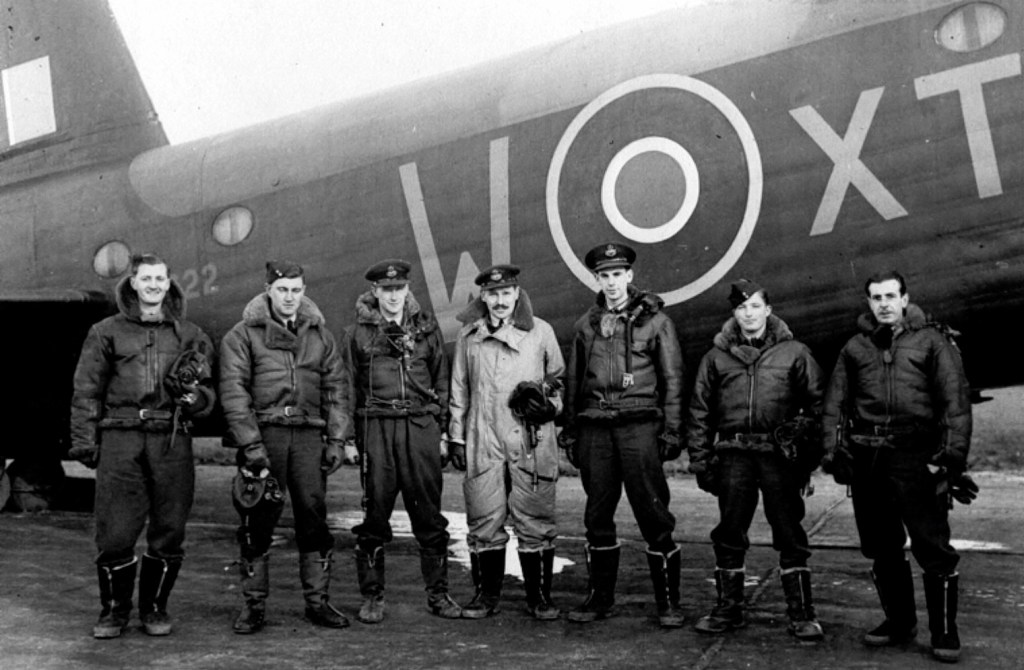
The Short Stirling was a four-engine heavy bomber used by the Royal Air Force (RAF) during WW2 and played a crucial role in early Allied bombing campaigns. BK716 was part of No. 218 Squadron and took off on the night of 29 March 1943, with a seven-member crew on a mission to bomb Berlin. Tragically, it never returned. Records indicate that it was shot down during its return journey and crashed into the IJsselmeer, a large lake in the Netherlands, and all crew members were presumed killed. For decades, the exact location of the wreck remained unknown, leaving families and historians with unanswered questions.
Rediscovery After Decades
In 2008, interest in BK716 reignited when researchers uncovered records suggesting its possible location in the IJsselmeer, once part of the Zuiderzee, which was transformed into an inland lake through Dutch engineering projects,However, it wasn’t until sonar surveys in 2016 that significant progress was made. This technology revealed a large metallic object buried beneath the lakebed, consistent with the dimensions of a Short Stirling bomber. Subsequent investigation confirmed the wreck’s identity and plans for recovery began in earnest.
The Recovery Operation
The recovery of the aircraft was a technically challenging operation undertaken by the Dutch Ministry of Defense and local authorities whose effort aimed to preserve the wreck and honour the crew. Excavations began in 2019, involving specialized underwater teams and archaeologists. One of the primary goals was to recover human remains to provide closure for the families of the crew. The operation uncovered various artifacts, including parts of the aircraft, personal items, and fragments of uniforms. Remarkably, human remains were also found and the crew could be identified.
Honouring the Fallen
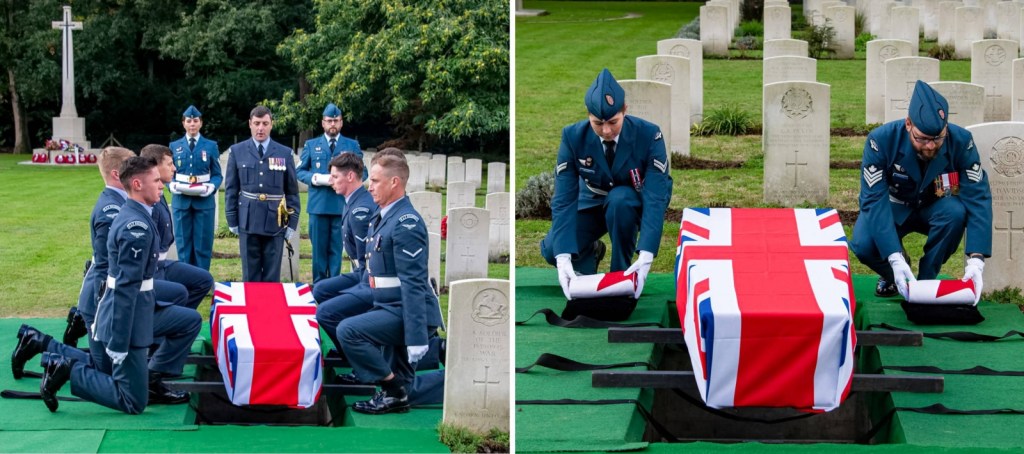
The crew of BK716 comprised seven young men, from the UK and the Commonwealth and the recovery operation provided an opportunity to give them the recognition they deserved. In 2022, a poignant ceremony was held in the Netherlands, where the crew members were honoured for their service. Their remains were laid to rest with full military honours, a moment that resonated deeply with their surviving family members some who attended the ceremony.
Preserving History
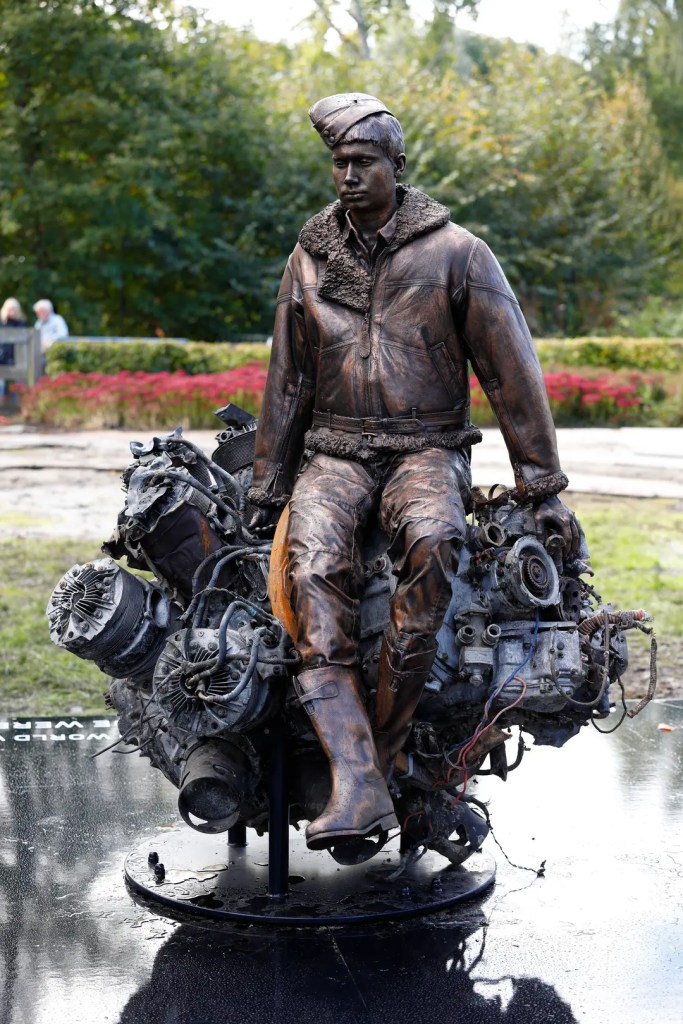
The recovery of BK716 serves as a reminder of the importance of preserving history. The artifacts retrieved from the wreck are being carefully conserved and studied. Some items, such as parts of the aircraft’s structure and personal belongings of the crew, will be displayed in museums, ensuring that the story of BK716 is passed down to future generations. The operation also highlights the vital role of archaeology in understanding and commemorating the past. Each artifact tells a story, shedding light on the experiences of the crew and the conditions they faced.
Lessons from BK716’s Recovery
The story resonates on multiple levels. It underlines the bravery and sacrifice of airmen who risked their lives for a greater cause. It also serves as a reminder of the devastating human cost of war and the enduring impact on relatives and communities. For the families of the crew, the recovery brought long-awaited closure. Decades of uncertainty were replaced with a sense of peace, knowing that their loved ones were finally honoured and remembered.
On a broader scale, the recovery of BK716 reflects the importance of international cooperation in preserving shared history. The collaboration between the Dutch, Canadian and British governments, along with local organizations, exemplifies how nations can work together to honour their past. As the wreckage of BK716 finds its place in museums and the story of its crew is shared, their legacy will continue to inspire and educate.
Useful Links
For more information on BK716 use the following links:
E-magazine : https://www.bk716.their-story.org/
Documentary: https://www.vliegenoverpolderlijnen.com/
Government website aircraft recovery programme – https://www.government.nl/topics/second-world-war/wreckage-recovery-of-second-world-war-aircraft
The Aircraft Recovery Group, who initially found the aircraft and a huge part for the families of the dead airmen https://www.arg1940-1945.nl/en.htm
Books: https://www.almere.nl/over/historie/erfgoedhuis/boeken
Copyright © 2025. All rights reserved by the Unconventional Soldier blog. No part of this work may be reproduced in any form or by any means without prior permission in writing of the author.
 Unconventional Soldier Blog
3 thoughts on “The Recovery of Stirling Bomber BK716”