
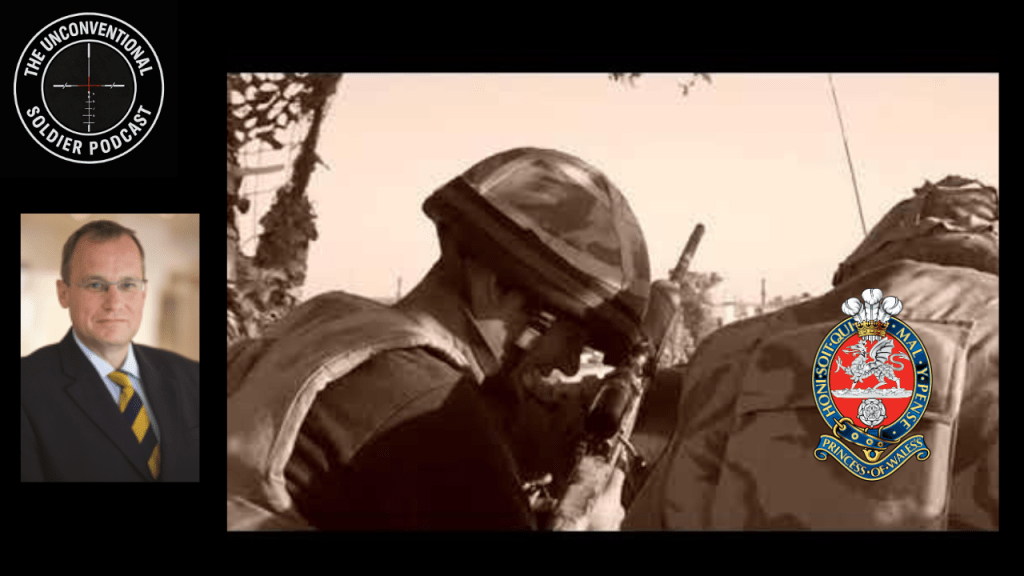
The guest on the next podcast is retired Brigadier Matt Maer DSO MBE, who commanded 1st Battalion, The Princess of Wales’s Royal Regiment (1 PWRR) battle group during Operation TELIC 4 in Iraq. This episode takes listeners deep into the reality of modern warfare with a look at the evolution of British military operations post 9/11, and the personal and professional values that define effective leadership under fire.
A Soldier’s Journey: From County Show to Combat Command
Matt’s military story began as a ten-year-old at a local county show, watching a Royal Marines demonstration. Inspired by that moment, he charted a course into the Army via the scholarship scheme and Sandhurst, despite having no military background in his family.
From the outset, he believed that leadership was not a given, it had to be earned, day in and day out. He shares how this ethos shaped his approach to command: trust up and down the ranks, leading by example, listening to the most junior voices, and promoting honest dialogue. Something Matt sees as essential, not exceptional.
Despite the podcast’s title, he refers to himself as a “conventional soldier”, having never served in special forces or airborne/commando units, but stresses the unique strength and professionalism found within line infantry regiments like 1 PWRR—grounded in tradition, community ties, and family legacy. While elite units gain cohesion through selection, Matt argues that county regiments develop just as powerful an ethos through shared history, continuity, and pride. On the battlefield, he believes the effectiveness gap between so-called conventional and specialist units is much narrower than many assume.
Operation Telic 4
Although often overshadowed by Afghanistan’s Operation HERRICK, TELIC 4 in 2004 was a turning point in British military engagement in Iraq, marked by a transition from peace support to high-intensity urban combat.
Key Takeaways from TELIC 4:
- Role Reversal: Unlike Northern Ireland, where the Army supported an existing police structure, Iraq offered no such framework. British line infantry found themselves carrying out tasks typically reserved for special forces—training indigenous forces, securing volatile zones, and conducting high-risk missions with limited backup.
- Stretched Resources: 1 PWRR was responsible for Maysan Province, an area similar in size of Northern Ireland, but with far fewer troops and virtually no infrastructure. Radio communications were poor and often had to be routed by mobile phone through the MOD switchboard in London.
- Strategic-Political Disconnect: Officially, the mission was to support reconstruction and train Iraqi security forces. In reality, soldiers found themselves locked in fierce engagements with militia groups like the Mahdi Army, fighting an undeclared war with little alignment between ground truth and political rhetoric.
Training & Adaptability
Specific pre-deployment training for TELIC 4 left much to be desired, poor language instruction and minimal cultural preparation. What helped 1 PWRR, according to Matt, was the deep, institutional muscle memory of British Army training:
- BATUS (British Army Training Unit Suffield): Large-scale armored warfare exercises in Alberta, Canada, honed high-tempo, combined-arms thinking. “The Gulf Wars,” Matt says, “were won on the prairies of Alberta.”
- Northern Ireland Legacy: Years of counter-insurgency work laid the tactical groundwork for urban patrolling, intelligence gathering, and population engagement. His personal doctrine, “smile, shoot, smile”, captured this balance: approachable but lethal when required.
This adaptive training model, blending conventional warfighting with counter-insurgency skills, enabled British troops to switch seamlessly between roles, sometimes in a single day.
Mission Command & Leadership On Operations Since 1991
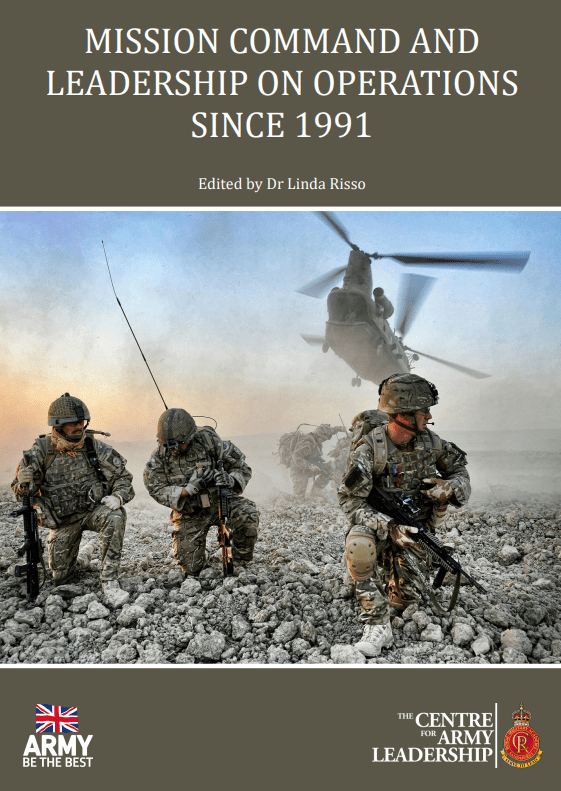
Matt describes operations on TELIC 4 in this Centre for Army Leadership publicaton that aims to highlight how:
“The contemporary operational anecdotes collected here demonstrate how and why the learning, practice and execution of Mission Command is so fundamental to the British Army winning in the future. They describe how the combination of command and leadership, expressed through Mission Command, has impacted the widest spectrum of British Army operations since the end of the Cold War. Undoubtedly, the wisdom captured here through the experiences of others will resonate with those in the Army preparing and training for war.”
Leadership Under Fire
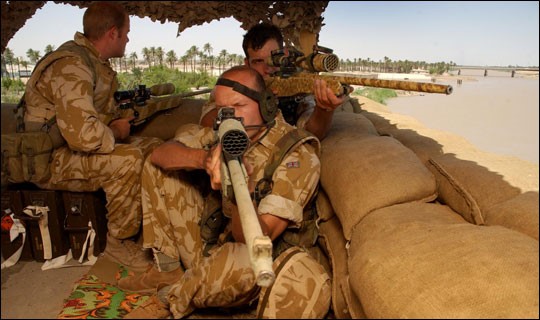
One of the biggest challenges centered around CIMIC House, a civilian-military base in Al Amarah. Strategically vital but exposed, it became the most attacked British location during the deployment, subjected to mortar attacks, insurgent assaults, and constant threats.
On his first afternoon in theatre, Matt’s convoy was ambushed setting the scene for the rest of the tour. Over the next 26 weeks, he and his team operated in one of the most volatile areas in Iraq, constantly navigating the line between visibility and vulnerability.
Daily “O Groups” were held every evening. Information was shared as widely as possible to maintain morale, clarity, and trust. In an environment of uncertainty, transparency became the glue holding the unit together.
Gallantry, Restraint, and the Shadows of War
During the 2004 Iraq tour, the Battalion earned one Victoria Cross, two Conspicuous Gallantry Crosses, two Distinguished Service Orders, seven Military Crosses. one Member of the British Empire, sixteen Mentioned in Despatches and one Queen’s Commendation for Valuable Service. Matt stated:
“It has been said that 1 PWRR Battle Group faced the most constant period of conflict of any British Army unit since the Korean War…….The Battle Group in Maysan Province faced over 100 contacts in one day alone and close to 900 over the tour……Every single man who deployed on Operation TELIC had been in some form of contact. That in itself made a tour like no other”.
But for Matt, the medals also “cast shadows”, poignant reminders of the fallen and the wounded. What stood out most, though, was the professionalism and restraint of British soldiers, even under fire. They adhered to strict “yellow card” rules of engagement, maintaining discipline despite bureaucratic burdens and intense provocation.
Reflections
Twenty years on his advice to current and future military leaders is clear:
- Train hard at every level.
- Encourage open dialogue from all ranks.
- Remain flexible: the plan is nothing; planning is everything.
- Build trust: genuine, daily, and personal.
He reminds us that soldiers don’t follow orders blindly. They follow because they trust the person giving them.
Desert Island Dits Picks: A Glimpse Beyond the Uniform
Matt also shares his book and film choices on Desert Island Dits:
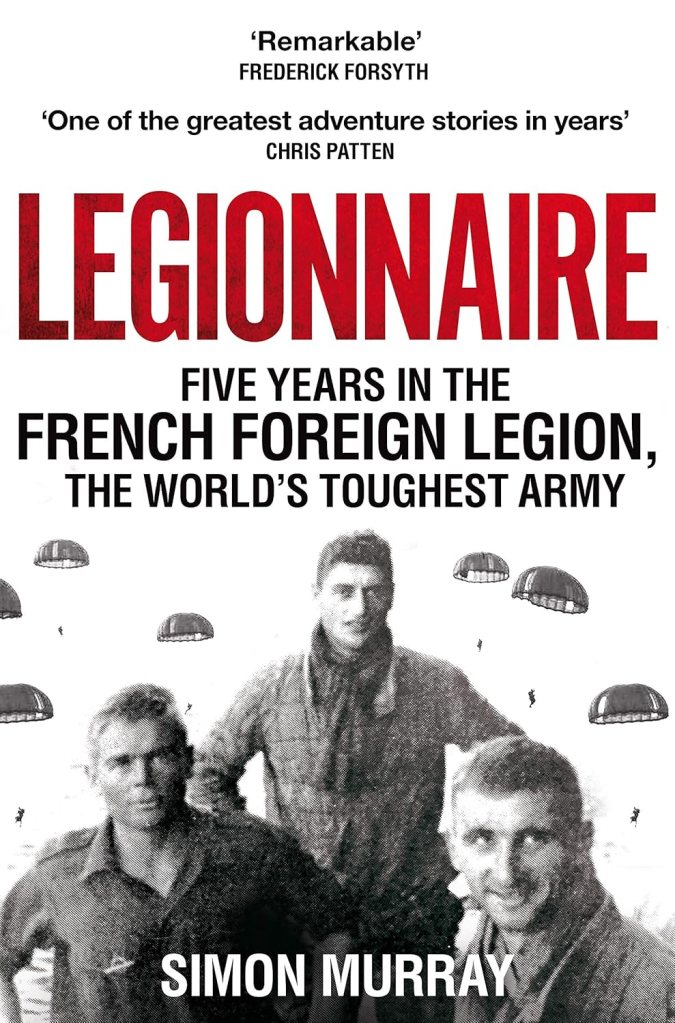
- Book: Legionnaire by Simon Murray. Admired for its grit and modesty.
- Film: A Bridge Too Far . Chosen for its personal resonance after meeting Arnhem veterans.
Final Word: Dusty Warriors and the Soldier’s Story
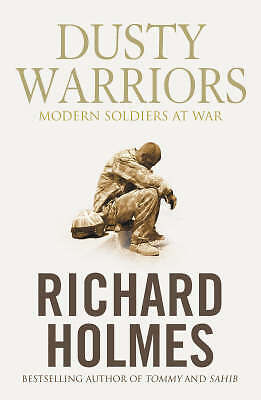
The episode closes with a tribute to Dusty Warriors, Richard Holmes’s book chronicling 1 PWRR’s tour. Through contributions by members of the battalion, it captures the raw, unfiltered voice of the British infantryman at war. Matt calls it one of the most accurate portrayals of modern soldiering ever written.
Copyright © 2025. All rights reserved by the Unconventional Soldier blog. No part of this work may be reproduced in any form or by any means without prior permission in writing of the author.
 Unconventional Soldier Blog