
Overview
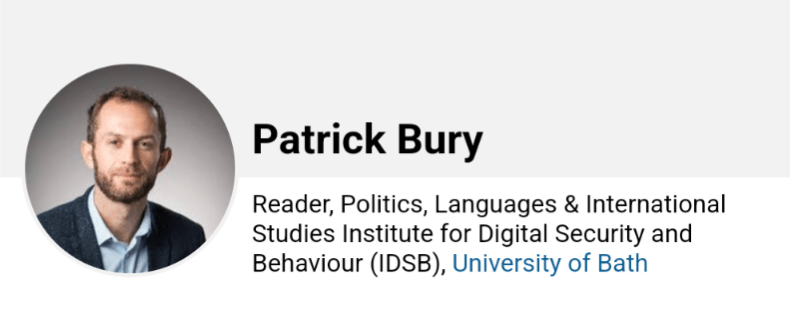
On this episode I talk with Patrick Bury a former Royal Irish Regiment officer who joined the army in 2005 and spent five years in uniform, including a tour in Sangin, Helmand in 2008. We discuss the complexities of COIN warfare and the leadership, and ethical challenges during this type of operation.
We examine the phenomenon of ‘warrior culture,’ accountability in military leadership, the corrosive effect of combat on soldiers and the need, or otherwise, for moral soldiering by liberal democracies fighting an enemy who are not hindered by such ideals.
Paddy, is now an academic and a Senior Associate Professor in Security at University of Bath and a UK Research and Innovation Future Leaders Fellow specialising in CT and warfare. His areas of expertise include: counter-terrorism transformation and capacity building; military operations; British Army Reserve; military logistics; the Second World War; NATO; Irish military service. He regularly provides expertise on security matters to both global and national media.
He candidly discusses his experiences in Helmand and reflects on the psychological impacts and the broader implications of operations on mental health. We also talk about the transformation many soldiers undergo—from initial enthusiasm to significant disillusionment.
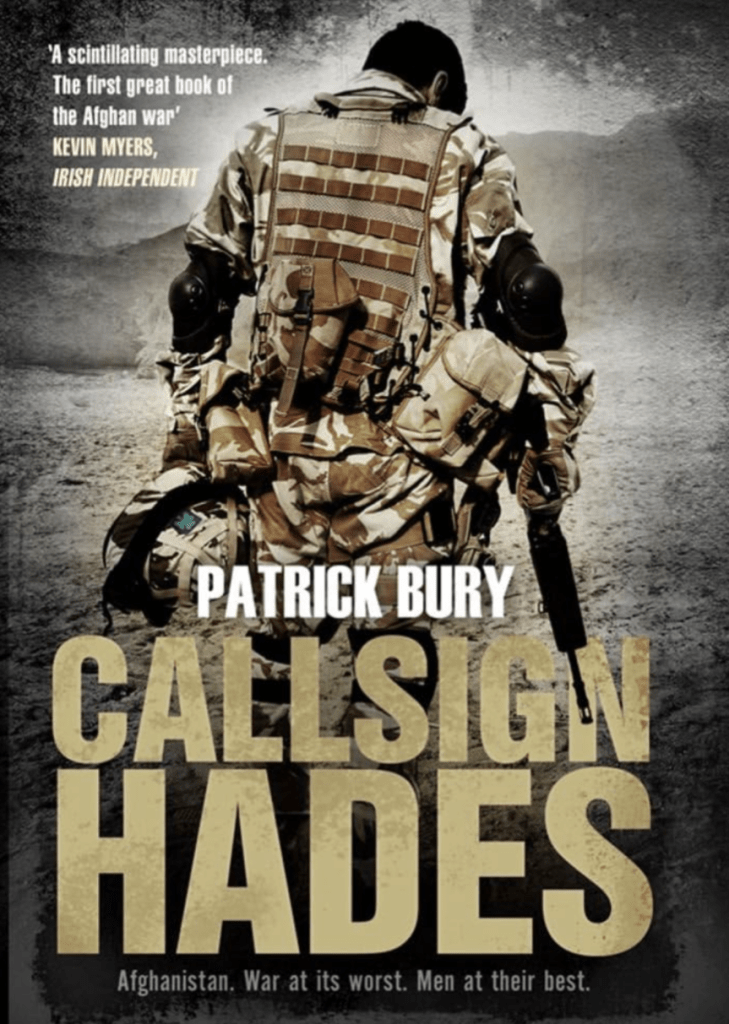
Towards the end of the episode, Paddy shares insights from his book, “Callsign Hades,” which chronicles his experiences and insights from his time in Afghanistan as a platoon commander.
Morality And Operational Effectiveness
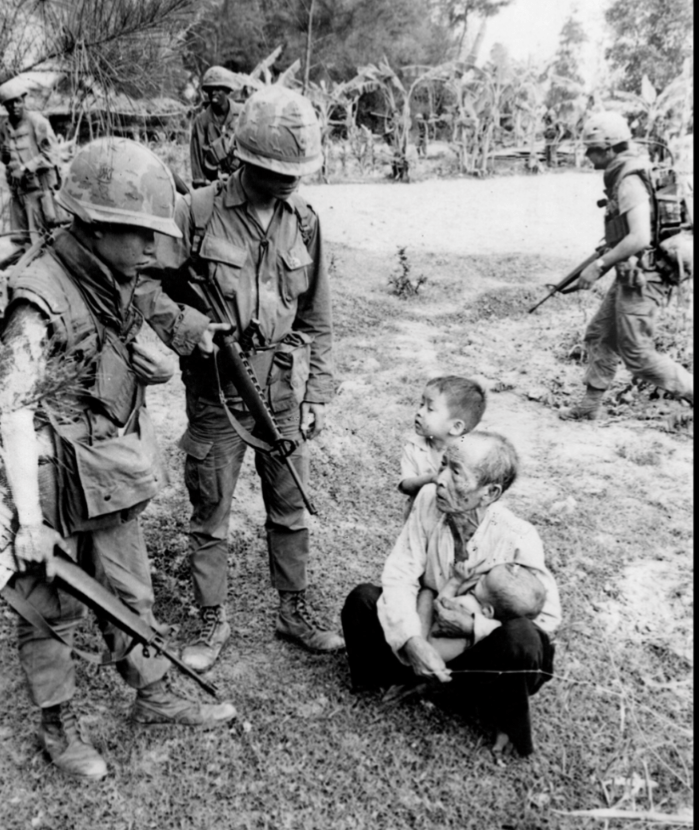
Delving deeper into ethical dimensions, the episode explores the necessity of balancing morality with operational effectiveness. Paddy emphasizes the importance of leadership in maintaining this balance, citing personal anecdotes and lessons learned on the ground. The conversation touches upon incidents such as the Marine A case and My Lai in Vietnam reflecting on the broader implications of toxic leadership and accountability within military ranks.
Warrior Culture
We cover the concept of warrior culture and the influence of special forces units such as the USN SEAL teams on soldiers. Paddy weighs the pros and cons of this culture, pointing out the risks of ‘deviant cohesion’ where unit loyalty overshadows organizational goals. He highlights the necessity for military leaders to manage the fine line between professionalism and dangerous subcultures effectively.
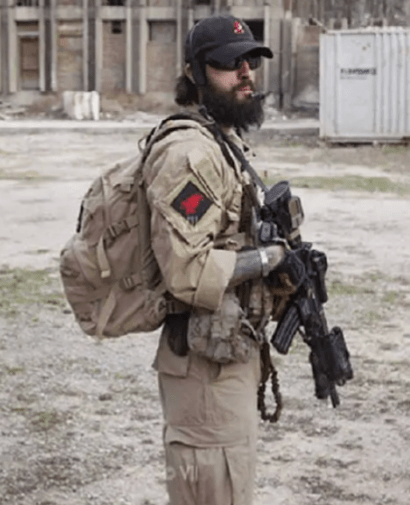
Finally we cover the presence of psychopathy within military ranks, touching upon how certain psychological traits might be inadvertently nurtured by the military environment. The discussion raises questions about the adequacy of psychological profiling in military recruiting and promoting individuals prone to aggressive behaviours.
Platoon Leadership
As a Captain Paddy wrote an essay that appeared in the 2014 edition of “Developing Leaders A British Army Guide” about his time on operations in Afghanistan called “Pointing North – An Essay On Platoon Leadership”.
It was sub headed:
“The platoon is a gun, the platoon sergeant the bullets, and you are the safety catch.”
He then went on to write:
“There is a balance to be struck between morality and operational effectiveness, between softness and hardness. It is a fine line to walk, but one which must be walked nonetheless. My platoon sergeant would always strive to keep the soldiers sharp, aggressive and ready to fight their way out of any situation. “I would rather be judged by twelve than carried by six” was his watchword at our platoon discussions on rules of engagement scenarios. He was completely right, and the robustness he bred into the platoon, especially at the psychological level, would stand it in good stead during the most testing parts of the tour. However, as a junior officer I felt the need to morally temper what the platoon sergeant had said to the men. His could not be the final word on the subject.”
In the essay he writes how he negotiated that “fine line” and it can be downloaded via the link below.
Further Reading
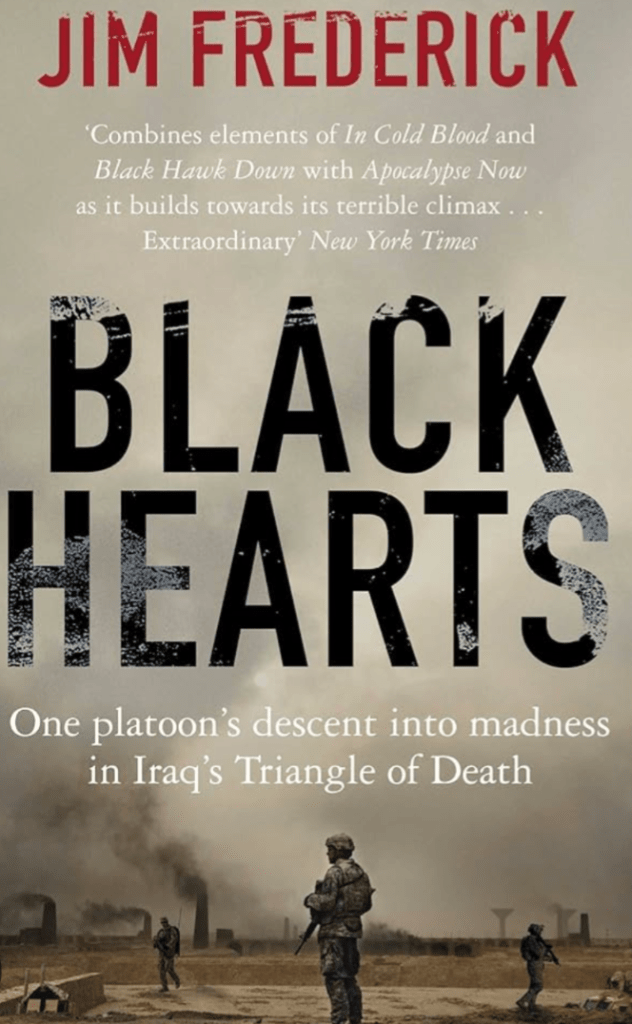
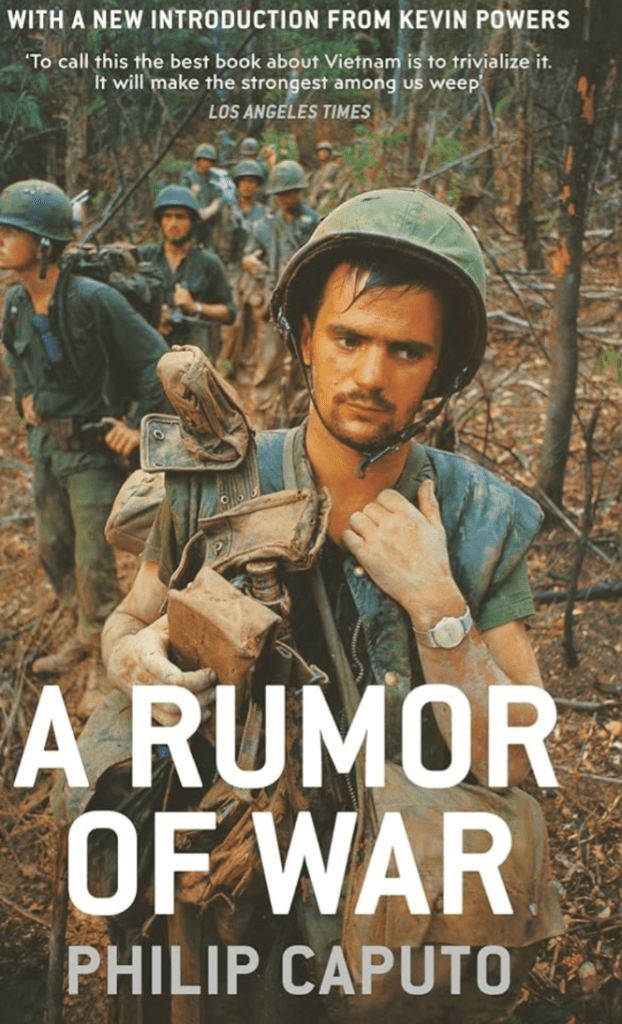
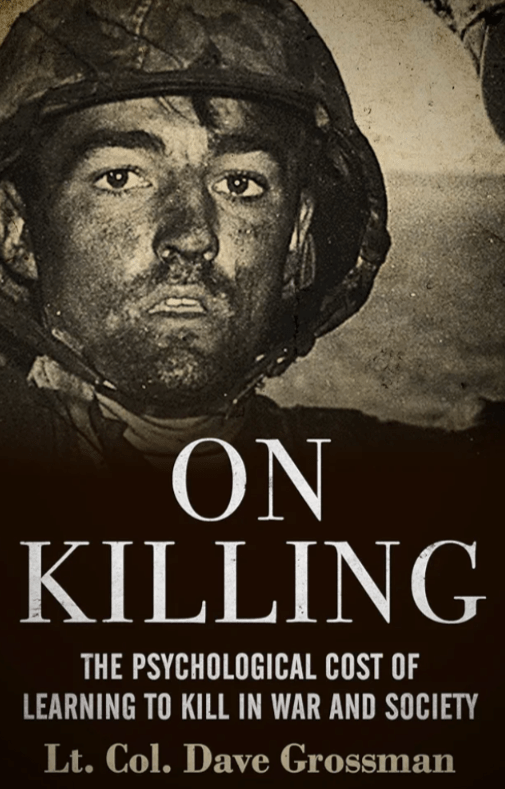
On desert island dits Paddy also recommends influential books and films that provide further reflections on war, leadership, and the moral dimensions of soldiering. The following books are recommended throughout the pod:

Summing Up
This examination of the challenges facing the modern soldier prompts reflection on the ethical, psychological, and leadership dimensions of contemporary military operations. Paddy’s experiences and insights offer a thought-provoking perspective on how soldiers navigate the moral complexities of today’s battle space.
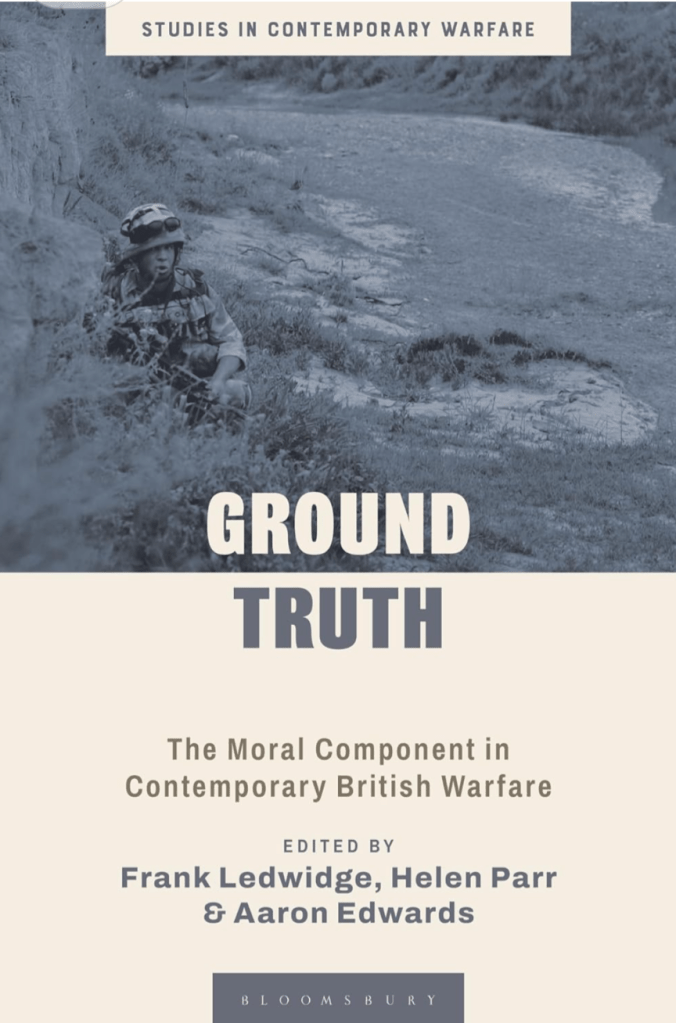
Listeners are encouraged to explore further by reading Paddy’s book and examining the moral questions faced by soldiers today in recommended readings such as “Ground Truth: The Moral Component in Contemporary British Warfare”.
Copyright © 2024. All rights reserved by the Unconventional Soldier blog. No part of this work may be reproduced in any form or by any means without prior permission in writing of the author.
 Unconventional Soldier Blog
Just got this in my mail, TBH I lost interest when you said he spent a whole 5 years in uniform. I suppose he has a good education, and has to earn a living somehow. In comparison I did 14 yrs regular army with a further 15 in SF, been in Helmand & Sangin lots of other places too, worked with DEVGRU and other Seal teams, Rangers and Delta too. Perhaps if he had served about 10-12 yrs I might have been more interested, then again maybe not? as I’m not the philosophy type.
LikeLiked by 1 person
Thanks for taking time to comment. It’s hard to summarise the total content of our conversation in a very short blog. Very few soldiers would have the depth of experience you accrued in such a long and varied career too. That said I think we have to be careful in equating experience with time served. Some soldiers get more operational experience in 5 years than others completing a 22 year engagement. Luck of the draw I suppose. A lot of worthwhile opinions would be shut out using time in uniform as a metric.
LikeLike