
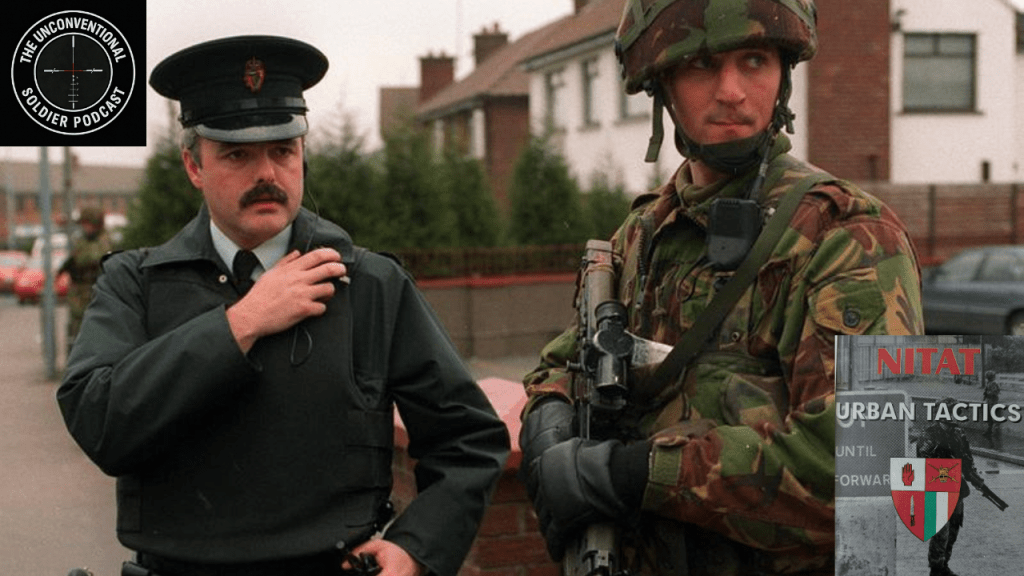
“Should an anthropologist or a sociologist be looking for a bizarre society to study, I would suggest he come to Ulster. It is one of Europe’s oddest countries. Here, in the middle of the twentieth century, with modern technology transforming everybody’s lives, you find a medieval mentality that is being dragged painfully into the eighteenth century by some forward-looking people.”
– Attributed to Bernadette Devlin, Irish civil rights leader and former politician
The British Army’s involvement in Northern Ireland, known as Operation BANNER, stands as one of its most significant and protracted campaigns, lasting almost four decades from 1969. Our podcast “The Troubles: The British Army’s Hard-Won Lessons, Adaption & Training In Northern Ireland” examines this complex period, exploring how an initially unprepared military adapted, learned, and ultimately navigated a “dirty war” waged on British soil against an irregular force.
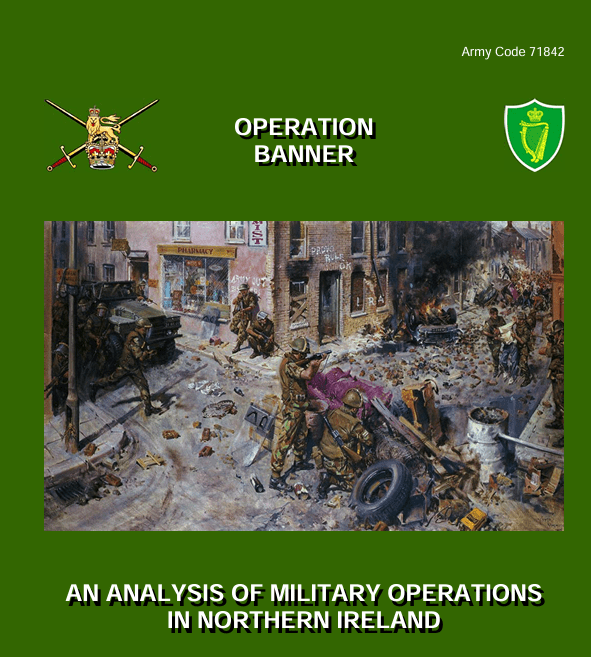
Operation Banner: An Analysis of Military Operations in Northern Ireland
The Ministry of Defence released a report in 2006 titled Operation Banner: An Analysis of Military Operations in Northern Ireland which reviews the British military’s long campaign during the Troubles. Intended as guidance rather than a full history, it charts the shift from civil disorder to insurgency and counter-terrorism, highlighting the roles of the Army, RUC, and supporting agencies. The study underscores the importance of intelligence-led operations, evolving counter-insurgency tactics, and support from air, maritime, and specialist units. It also addresses challenges such as force protection, information campaigns, legal constraints, and training needs. Its central conclusion is that success required a sensitive, multi-agency approach, constant adaptation, and a focus on political resolution.
In 2007 the Pat Finucane centre criticised the report stating “The document, Operation Banner – An Analysis of Military Operations in Northern Ireland, offers an unprecedented and deeply worrying insight into the thinking of senior military officers and civil servants at the Ministry of Defence in Whitehall. Above all the document betrays a profoundly colonial mindset towards the conflict here and those involved in it. From the perspective of Whitehall the rolling hills of Tyrone and Armagh might as well have been the Hindu Kush a century ago.”
It went on to say “Significant dates are wrong while significant historical events have been omitted or misinterpreted. Loyalist violence and the links between loyalist paramilitaries and the state has been airbrushed out of this military history, prepared ‘under the Direction of the Chief of the General Staff’. In 2006, when the document was written, the CGS was General Mike Jackson who drew up the notorious ‘shot list’ in the hours after Bloody Sunday. The British Government has long sought to portray its role here as that of the neutral broker, the referee between two warring factions. This document, which was not intended to be made public, makes no such pretence. According to the MoD there was only one war and one enemy – the IRA. Loyalist paramilitaries on the other hand were ‘respectable’. This deeply flawed document is powerful evidence of why we need to deal with the past honestly and openly.”
The irony of the last sentence isn’t lost on me. A complete inability “to deal with the past honestly and openly” has meant that extreme Irish nationalists often cling tightly to a narrow, romanticised view of history—leaving little room for nuance, dialogue, or dissent. When identity is built on grievance and myth, openness becomes a threat, not a strength. The forces of the crown did not always get it right in Northern Ireland and they also had their own propaganda war to win. However PIRA/Sinn Fein quickly realised early on that propaganda and disinformation are terrorists greatest weapons. Moreover if you can’t control reality, you can shape the narrative. If you control the narrative, you control the past.
An Unprepared Beginning and Misplaced Optimism
In August 1969, British troops were deployed to Northern Ireland to assist the Royal Ulster Constabulary (RUC) in containing escalating sectarian violence between Protestant and Catholic communities. The intervention was conceived as a limited and short-term measure of military aid to the civil power. However, this assumption proved misplaced, as the deployment evolved into a protracted engagement lasting almost four decades. The initial optimism reflected both a misreading of the depth of political and social tensions in Northern Ireland and an underestimation of the challenges inherent in employing military force within a divided society.
Despite extensive post-war experience in counterinsurgency campaigns in places like Malaya, Borneo, and Aden, the British Army struggled to adapt its lessons to the very different conditions of Northern Ireland. Techniques that had proved effective in colonial contexts were often transplanted wholesale, without sufficient regard for Ulster’s entrenched sectarian divisions, its highly urbanised geography, or its distinctive political and historical sensitivities. This tendency also obscured the Army’s institutional weaknesses—including outdated training practices, inadequate intelligence structures, and limited understanding of local dynamics—that proved far more consequential in the Northern Ireland context.
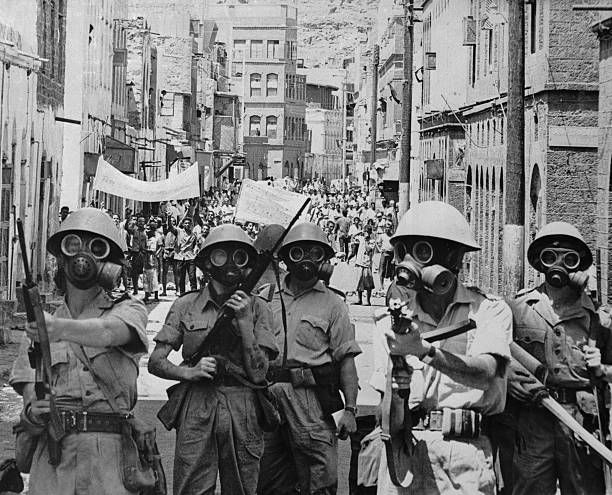
The most serious failing lay in training. Units deployed to what was, in essence, a complex internal security operation on home soil armed with preparation rooted in colonial-era doctrine. Instruction relied heavily on black-and-white training films and manuals originally designed for campaigns in Asia and Africa. While of some historical interest, these resources bore little relevance to the operational realities of Northern Ireland. The consequence was a force ill-prepared for urban conflict in a politically volatile democracy, and an early reliance on practices that deepened, rather than reduced, community alienation.
Initially, many in the Catholic population welcomed British troops as peacekeepers, hoping they would protect the minority from the majority. This initial honeymoon period quickly dissolved, giving way to widespread public disorder, rioting, and eventually, the conflict’s bloodiest year in 1972 when 149 police and Army, 78 paramilitary and 249 civilians were killed.
Kitson’s Influence and Critical Early Mistakes
A key figure influencing the British Army’s early approach was British army officer Frank Kitson, whose book “Low-Intensity Operations” provided a theoretical framework emphasizing intelligence over brute force, coordination between military, police, and civil agencies, and winning “hearts and minds”. Kitson’s ideas, while influential, are also seen as controversial, arguably leading to a blurring of military and policing roles and contributing to the alienation of the Catholic population.
Indeed, the early period was marked by significant errors:
- The Balkan Street Search (July 1970): A large-scale area search that alienated moderate Catholics, convincing them the army was pro-loyalist and providing a significant propaganda opportunity for the IRA. This tactical success was in effect an operational reverse.
- Internment without trial (August 1971): Introduced against military advice, this policy of arresting and detaining Republican suspects without trial was a disastrous decision. Poor preparation, outdated suspect lists, and inadequate facilities led to many wrongful arrests, providing the Republican movement with an enormous information operations opportunity.
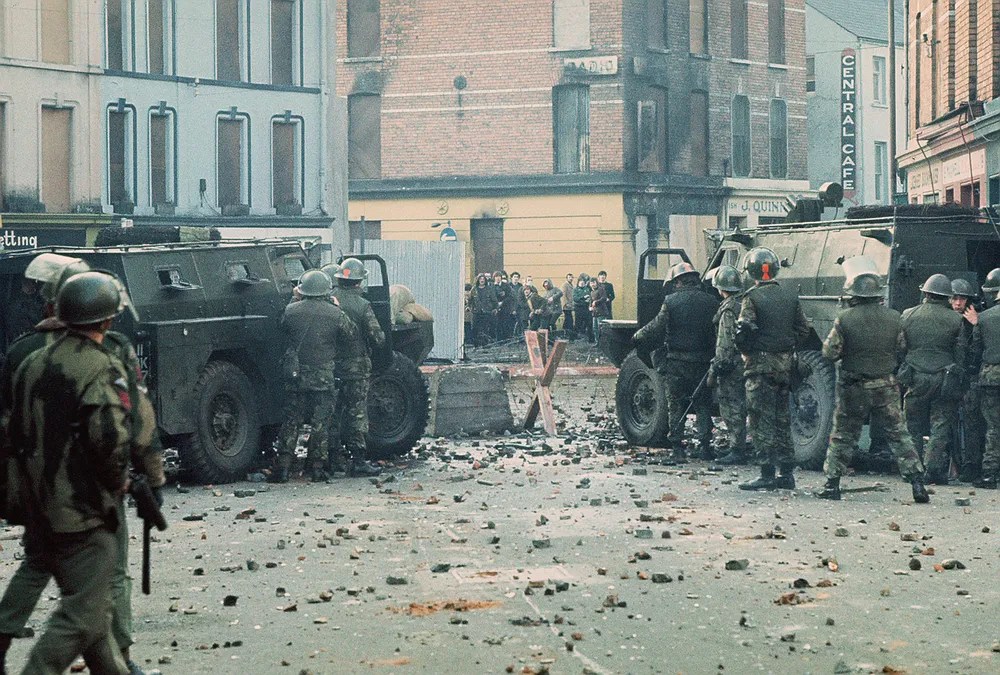
- Bloody Sunday (January 1972): British troops killed 13 civilians during a civil rights march in Londonderry. This incident, later deemed unjustified and unjustifiable, profoundly damaged the British Army’s reputation, swelled IRA ranks, and increased civil unrest.
These events underscore the immense pressure on young soldiers operating without adequate preparation and the severe political ramifications of their actions.
The Evolution of Training and Tactics: A Learning Army
The realisation that fundamental changes were needed, especially after Bloody Sunday, led to a massive turning point for deployment training to the complex operational environment in Northern Ireland. In 1972, pre-tour training was formalised under the Northern Ireland Training Advisory Team (NITAT), later known as the Operational Training and Advisory Group (OPTAG). This was a crucial step, ensuring training was focused on up-to-date lessons, standardised across all ranks, and tailored to specific roles and areas of operation.
NITAT’s success stemmed from several factors:
- Operational Need: The clear and immediate necessity, coupled with rising casualties, incentivised serious training.
- Single Point of Focus: NITA optimised training for the specific theatre, utilising high-quality instructors with direct operational knowledge.
- Frequent Updates: Instructors regularly visited Northern Ireland to ensure their knowledge was current.
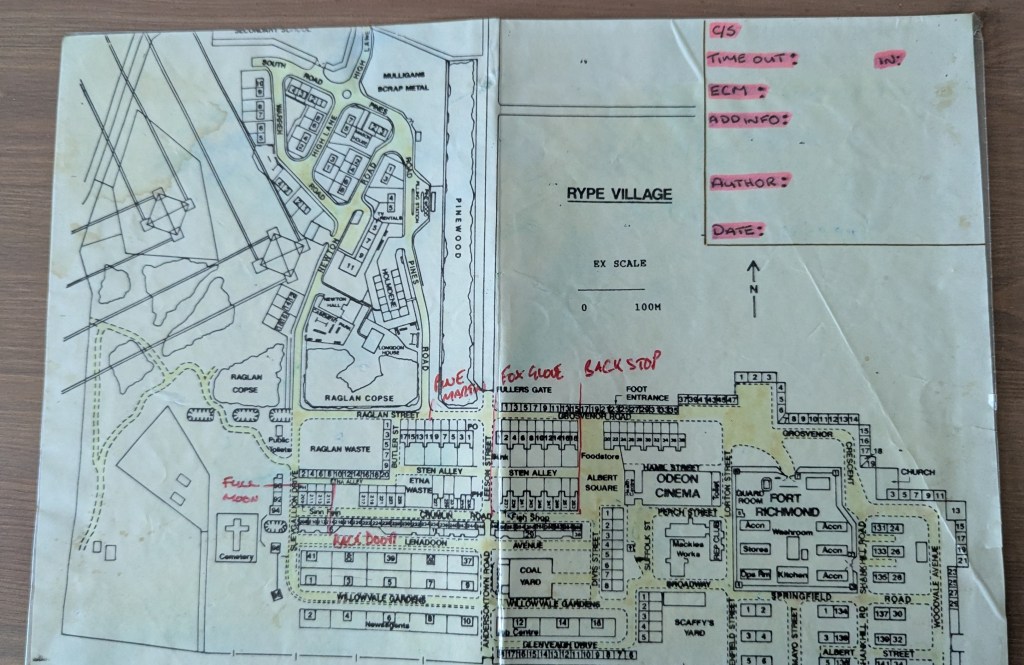
The training package included intensive in-barracks training, prior to the NITAT package, where street names were changed, and buildings repurposed to replicate Northern Ireland environments. Riot training was highly realistic, sometimes resulting in injuries. Soldiers underwent extensive urban and rural training, covering everything from dress codes, to low-level intelligence gathering and car searches. At NITAT the urban training environment of Rype village, nicknamed tin city, provided immersive scenarios, often with commanders being killed or wounded to force junior soldiers to step up, building resilience and quick decision-making in a stressful environment.
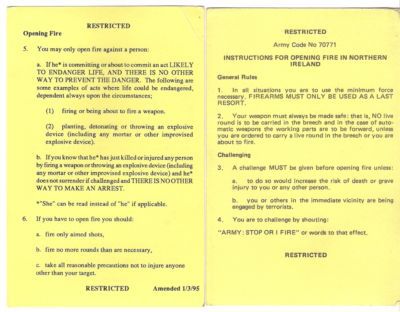
A core principle embedded in this training was restraint – making proper decisions under immense pressure, with weapon use as a last resort. Live-firing ranges emphasized the “yellow card” rules of engagement, minimum force, and aggressive tactics to cut off gunmen rather than simply engaging in a contact with the terrorists.
Tactical operations also evolved rapidly:
- Patrolling: From vulnerable single-file sections to highly effective “multiple patrolling” with small, unpredictable teams, making it difficult for IRA spotters known as “dickers”.
- Searching: Development of specialized Royal Engineer search teams (REST) and all-ranks rummage searching, including the Winthrop theory (thinking like a terrorist to find hidden weapons and equipment).
- Public Order: Abandoning colonial style “box formations” for shield walls and snatch squads, alongside the controversial use of less-lethal weapons like rubber and plastic baton rounds.
- Electronic Countermeasures (ECM): Northern Ireland became a pioneer in ECM procedures, developing devices to disrupt IEDs, a technology later exported to Iraq and Afghanistan.
The Lance Corporals War
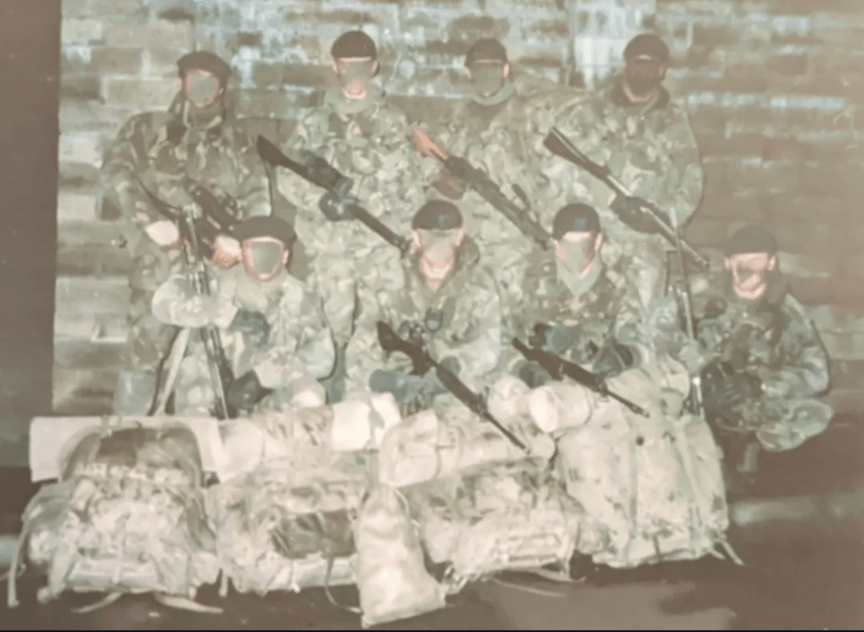
Operation BANNER became known as the “Lance Corporals War”. It heavily relied on the initiative, training, and discipline of junior NCOs and young officers who often had to make critical, real-time decisions with massive political ramifications.
Beyond the soldiers, scientific advisors attached to HQ Northern Ireland played a crucial, war-winning role, rapidly developing countermeasures to IEDs, continuously undermining terrorist bomb making innovations. The continuity of command structures, resident battalions, and local forces like the UDR and RUC provided invaluable local knowledge critical for effective operations and intelligence gathering.
Servicemen and women generally displayed humanity and humour under extreme stress, and it is arguable that very few armies in the world could have conducted themselves as well over four decades.
Lingering Challenges and Enduring Legacy
Despite these achievements, challenges persisted. There was sometimes an unwillingness to learn from mistakes internally, with exceptional officers drawing hard lessons from British soldiers’ misdeeds occasionally being unwelcome. Senior officers sometimes delved into tactical details rather than focusing on strategic leadership, highlighting a gap in their training.
The campaign also suffered from a lack of single campaign authority, leading to fragmented approaches and poorly coordinated information operations, which often allowed Republican propaganda to gain an advantage. Even today, Sinn Féin continues to dominate the information domain.
Ultimately, Operation BANNER forced the British Army to evolve, learn, and adapt in ways that continue to inform its operations worldwide. It did not achieve a conventional victory but succeeded in suppressing violence to a level the population could live with, and making it clear to the IRA that they would not win through violence. The commitment to continuous learning, from the battle-worn streets to the training grounds, remains a defining legacy of the Troubles.
This episode will interest those seeking to understand the complexities of counterinsurgency, military adaptation, and the profound impact of Operation BANNER on a generation of servicemen and women.
Supporting The Podcast
Thank you for reading this blog and listening to the podcast. If you would like to help offset the production costs such as web site hosting then you can support me here https://buymeacoffee.com/unconsoldierpod
Further Listening
For those interested in learning more about Operation BANNER, we have recorded a number of podcasts on The Troubles:
Copyright © 2025. All rights reserved by the Unconventional Soldier blog. No part of this work may be reproduced in any form or by any means without prior permission in writing of the author.

